
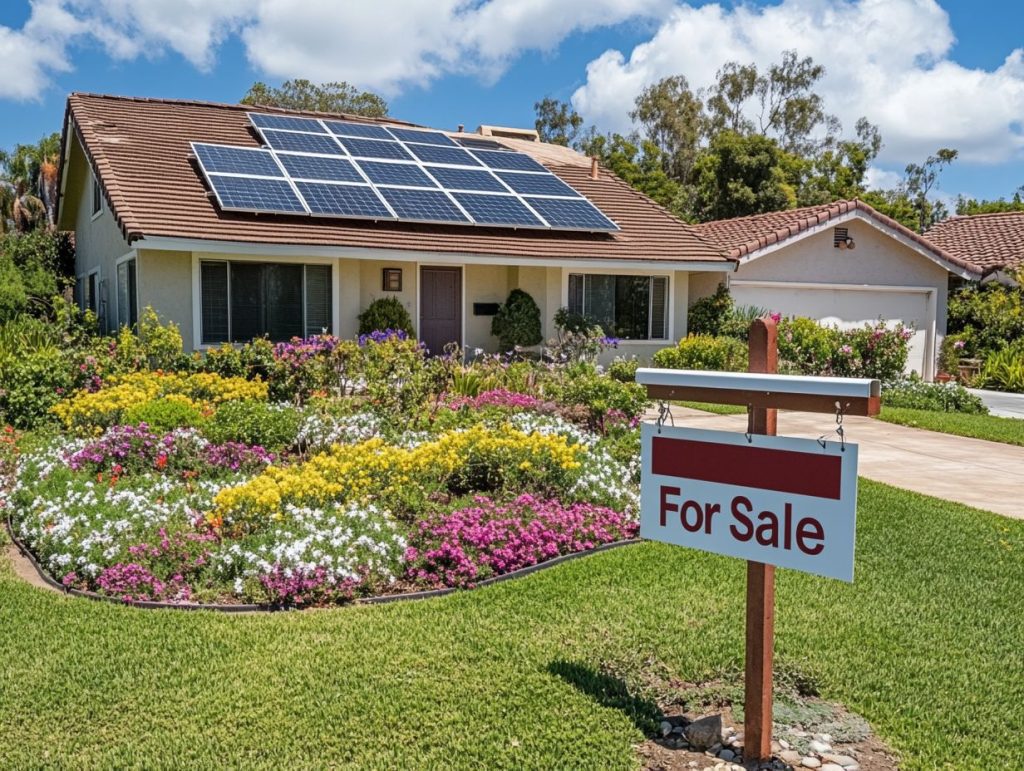
Selling a home equipped with solar panels presents a distinctive opportunity to engage a growing market of eco-conscious and environmentally conscious buyers in the real estate market.
These energy-efficient features, such as solar panels, can result in considerable savings on electric bills for prospective homeowners while contributing to a sustainable lifestyle through solar renewable energy benefits.
This article delineates the steps necessary to effectively prepare your home with solar panels for sale, ranging from enhancing curb appeal to marketing its renewable energy benefits and leveraging solar energy credits.
Additionally, it offers guidance on navigating negotiations while addressing buyer concerns related to solar panel performance and long-term investment value. Continue reading to discover how to maximize the value of your solar investment.
Key Takeaways:
The Benefits of Selling a Home with Solar Panels
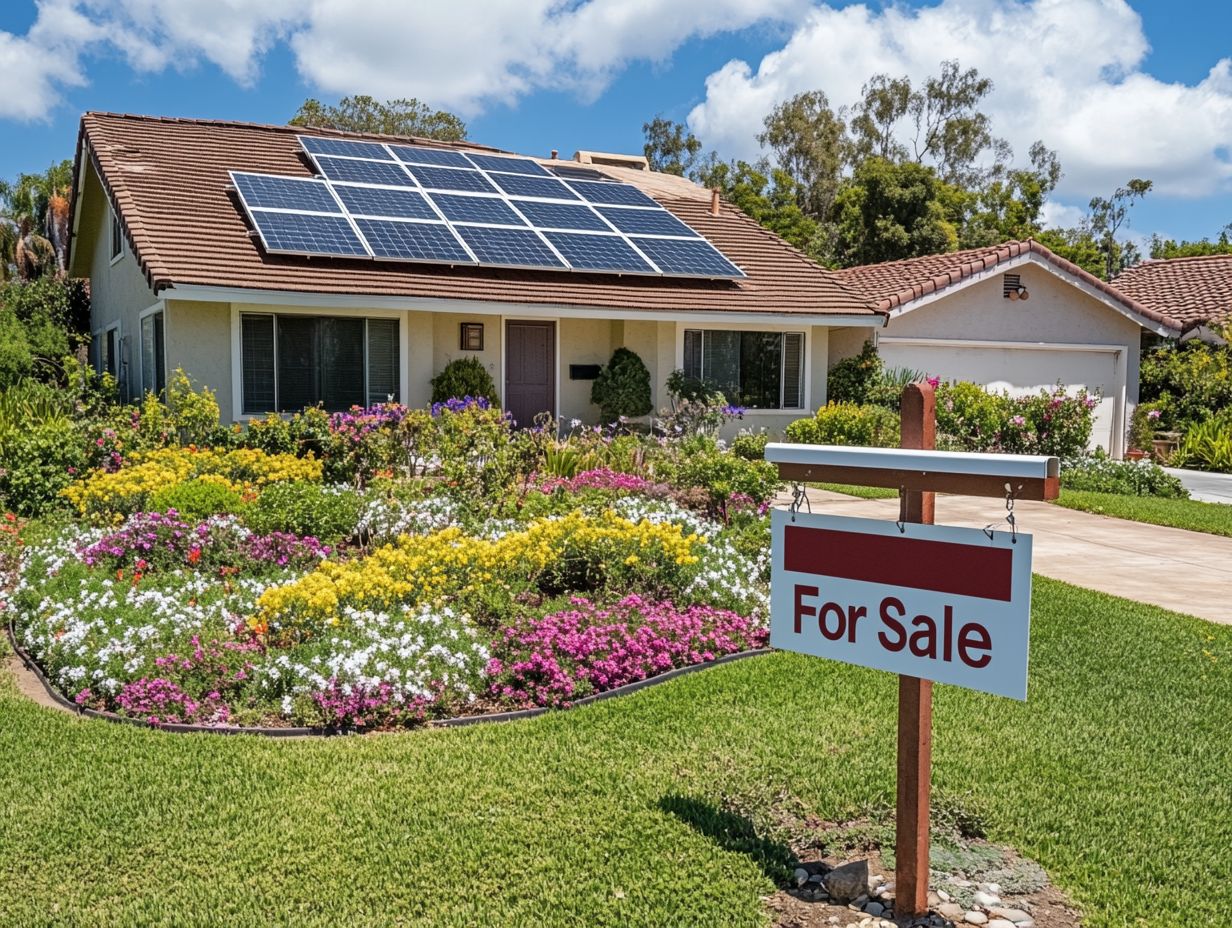
Selling a home with solar panels can substantially increase its property value, positioning it as an attractive option in today’s competitive real estate marketplace.
Solar energy systems not only offer homeowners considerable savings on electricity costs but also make a positive contribution to environmental sustainability, in alignment with the Department of Energy’s emphasis on energy efficiency and renewable energy.
Homes featuring energy-efficient attributes, such as solar panels, tend to attract environmentally conscious buyers, thereby enhancing the potential for a higher resale value and increasing property value in the competitive real estate market.
Attracting Eco-Conscious Buyers
Eco-conscious buyers are increasingly attracted to homes equipped with solar panels, as they prioritize environmental sustainability and energy independence.
These individuals often seek properties that not only minimize their carbon footprint but also contribute to a healthier planet for future generations. The appeal of solar energy resides in its capacity to harness natural sunlight, converting it into clean power and thereby reducing reliance on fossil fuels.
For example, by incorporating solar panel systems, homeowners can decrease their monthly utility expenses while fostering a sustainable lifestyle, promoting energy independence, and benefiting from solar panel benefits. The autonomy that solar energy offers can alleviate concerns regarding fluctuating energy prices and supply shortages, rendering it a compelling option for those who value both ecological and practical considerations.
Potential Cost Savings for Buyers
One of the most compelling advantages of purchasing a home equipped with a solar system is the potential for significant cost savings on energy bills, enabling buyers to benefit from reduced monthly expenses.
Homeowners can save up to 30% or more on their electricity costs following the installation of solar panels, which can result in substantial savings over time. A recent study from Berkeley Labs indicated that residences with solar energy systems sold for an average of $15,000 more than comparable homes lacking solar installations, thereby offering a noteworthy return on investment and increasing market value of solar.
Additionally, various financial incentives, including federal tax credits and state rebates, such as those offered by the SMART Program, can further augment these savings, rendering the transition to solar power even more appealing. On average, buyers can anticipate recovering their investment within a span of 5 to 10 years, after which the energy savings contribute directly to their monthly budget, ultimately offsetting the initial costs while promoting a sustainable lifestyle.
Preparing Your Solar-Powered Home for Sale
Preparing a solar-powered home for sale necessitates diligent attention to documentation and disclosure requirements.
It is essential to ensure that prospective buyers have a comprehensive understanding of the solar installation and its associated benefits, including any warranties related to the solar panel systems.
Documentation and Disclosure Requirements
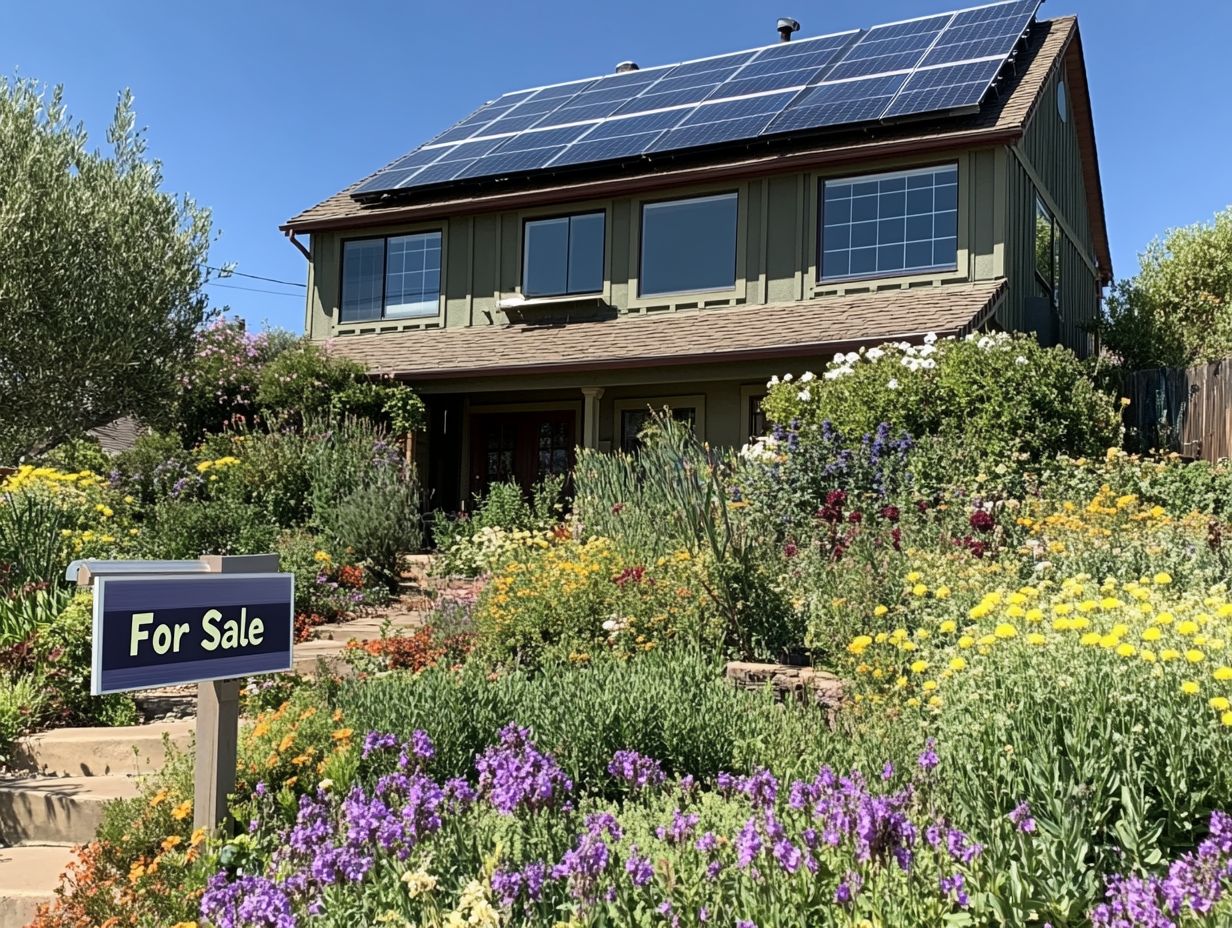
Understanding the documentation and disclosure requirements, including the transfer ownership of incentives, is essential for facilitating a smooth sale of a solar-powered home. This includes providing detailed information about the performance of the solar panels and the transfer of ownership of any solar incentives.
To ensure a seamless transaction, potential buyers should be supplied with maintenance records that offer insights into the upkeep and operational efficiency of the solar system.
Energy performance certificates can effectively highlight the home’s energy-saving attributes, thereby increasing its appeal. It is also crucial to communicate clearly regarding any available incentives, such as tax credits or solar incentives like SRECTrade, as these can significantly enhance the property’s value and are often transferable to the new owner.
This level of transparency not only fosters trust but also educates buyers about the financial benefits they can anticipate.
Maximizing Curb Appeal
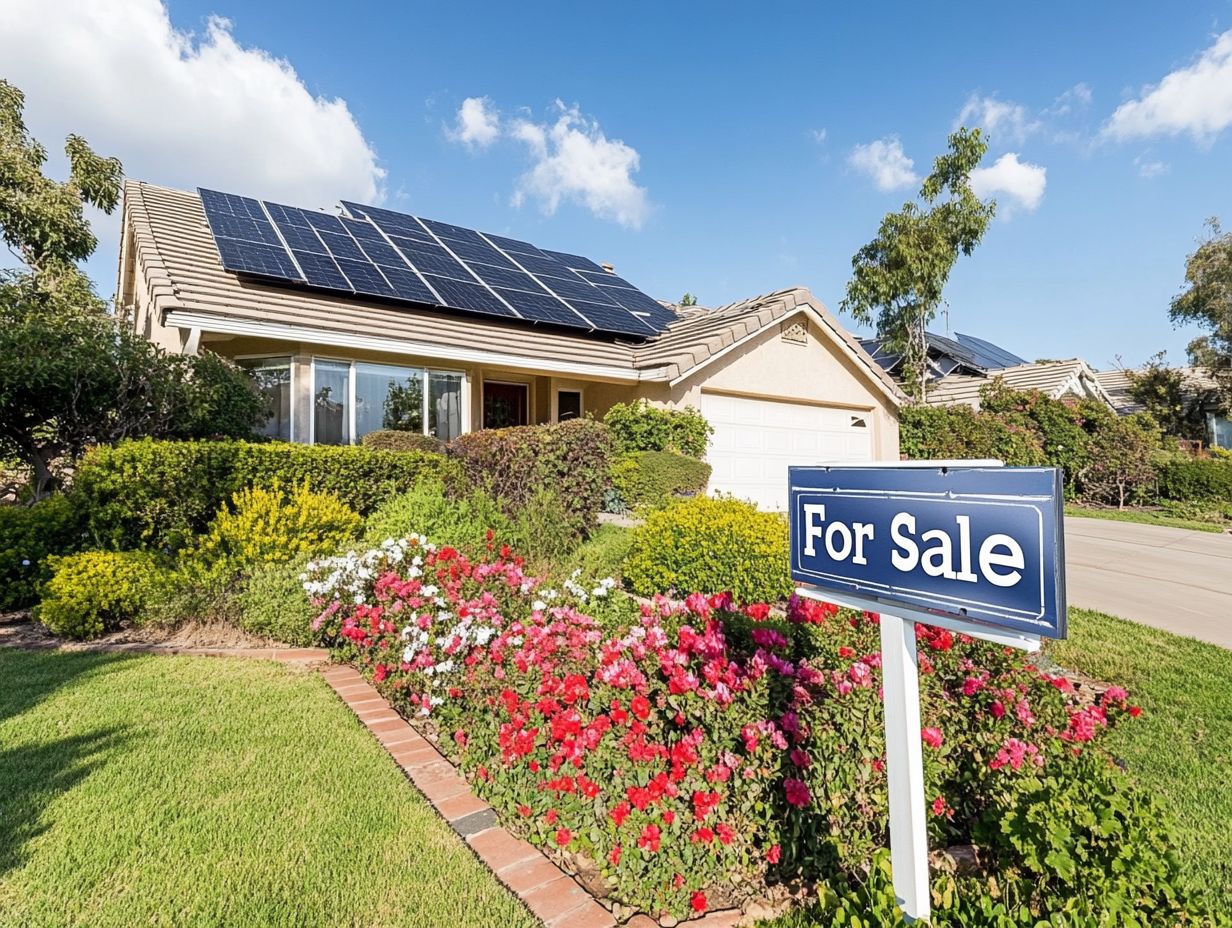
Maximizing curb appeal is essential when selling a home, especially when integrating solar panels and other energy-efficient features to attract potential homebuyers looking for properties with eco-friendly attributes.
By effectively showcasing these installations, homeowners can create a lasting impression that emphasizes sustainability while enhancing aesthetic value. A well-maintained landscape, enhanced by vibrant flowers and neatly trimmed hedges, draws attention to the property and extends a warm invitation to prospective buyers.
Utilizing marketing materials that highlight the benefits of solar energy, including lower utility costs and positive environmental benefits, can significantly increase interest and appeal to buyers seeking energy savings.
It is advisable to include high-quality images and testimonials regarding the home’s energy-efficient features to resonate with ecologically conscious consumers, positioning the property as not merely a house, but an energy-savvy lifestyle choice.
Marketing Your Solar-Powered Home
Effectively marketing a solar-powered home requires a focus on its renewable energy features and the associated advantages, such as solar energy credits, solar incentives, and financing solar panels.
This approach aims to attract potential buyers throughout the home selling process.
Highlighting Renewable Energy Features
Highlighting the renewable energy features of a solar-powered home is essential for attracting buyers who prioritize sustainability, energy efficiency, and savings on energy costs. This strategy not only emphasizes the eco-friendly aspects of the property but also positions it within a growing market where energy costs and environmental impact are of increasing significance.
During listings and showings, it is advantageous to present compelling visuals, such as infographics that detail energy savings over time or photographs that showcase solar installations, enhancing the property’s solar property value. Providing statistics on the average reduction in electricity bills can further influence potential buyers.
Additionally, emphasizing the integration of energy-efficient appliances can enhance the property’s appeal, demonstrating a lifestyle that aligns with contemporary environmental values.
Reaching Out to Potential Buyers
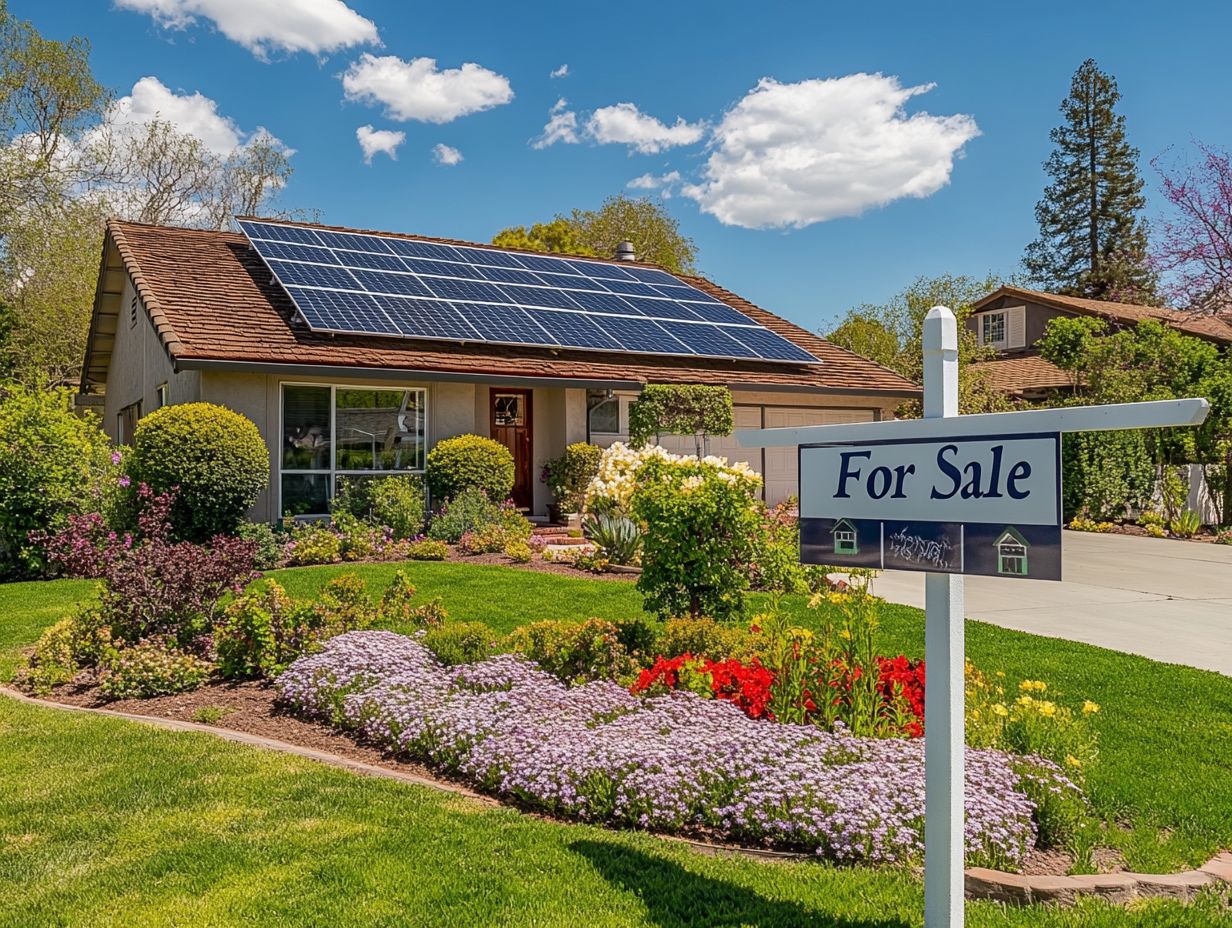
Engaging potential buyers in the realty marketplace requires the strategic use of various platforms and approaches designed to promote solar incentives and the benefits of solar panel systems during the home selling process.
Utilizing social media campaigns can effectively generate interest and facilitate the sharing of success stories that illustrate the real-world advantages of solar energy. Additionally, participating in local real estate events presents a valuable opportunity to network with prospective buyers and demonstrate the tangible savings associated with solar installations.
Establishing partnerships with solar contractors can further strengthen these initiatives, offering buyers expert insights and practical knowledge. It is essential to educate potential purchasers about the available solar incentives; a thorough understanding of the financial benefits and net metering can significantly impact their decision-making process and align with their long-term sustainability objectives.
Negotiating the Sale of a Solar-Powered Home
Negotiating the sale of a solar-powered home necessitates the effective addressing of buyer concerns, particularly those related to long-term energy savings and the appraisal value of the solar system.
Addressing Buyer Concerns
Addressing buyer concerns regarding solar energy systems is essential for successfully concluding a sale, particularly in relation to appraisal value, solar panel warranty, and warranty coverage for the solar panels.
Common concerns often encompass apprehensions about potential maintenance costs and the longevity of the systems. Prospective customers frequently inquire about the anticipated expenses associated with upkeep over the years and the expected lifespan of the panels before any replacement is necessary.
To mitigate these concerns, it is crucial to emphasize the strong warranties and performance guarantees provided by manufacturers, ensuring buyers of the solar panel performance and longevity. Such assurances not only demonstrate confidence in the product’s durability but also offer documented savings that reflect long-term value.
By effectively communicating these advantages, sellers can build trust and promote well-considered choices among buyers.
Leveraging Renewable Energy Benefits
Leveraging the advantages of renewable energy through a solar-powered home can be a significant asset during negotiations, particularly in terms of energy savings, the availability of solar energy credits, and the overall increase in resale value.
By effectively presenting data that illustrates annual savings on electricity bills, homeowners can construct a persuasive argument regarding the value of solar installations. Additionally, detailing incentives such as federal tax credits, state rebates, and renewable energy certificates further strengthens this argument. Research from the Lawrence Berkeley National Laboratory and the National Renewable Energy Laboratory supports these findings.
Clearly communicating these financial benefits underscores the long-term economic advantages associated with investing in solar energy. Over time, solar energy not only reduces monthly expenses but also enhances property value, resulting in substantial returns that can yield significant benefits in the years ahead. Homes with solar installations can increase resale value, as evidenced by market analysis from Zillow and Redfin.
Frequently Asked Questions
What are some ways to effectively showcase the renewable energy features of a home with solar panels?
One way to showcase renewable energy features is by highlighting the cost savings of using solar panels. You can also provide information on the environmental benefits and how it reduces carbon footprint. Additionally, you can showcase the energy efficiency of the home by comparing utility bills before and after installing solar panels and referencing buyers’ energy bills for greater clarity. Partnering with local utilities like National Grid, Eversource, and Unitil can also provide additional insights.
Should I include information about the solar panel system in the listing description?
Yes, it is important to mention the home solar system in the listing description to attract potential buyers who are interested in renewable energy. This will also set your home apart from other listings and showcase the added value of having a solar panel system installed.
Are there any certifications or documentation I should provide to potential buyers?
Yes, it is recommended to have the solar panel system inspected and certified by a professional. This will provide potential buyers with peace of mind and assurance that the system is in good working condition. You can also provide documentation such as the warranty for the solar panels and any maintenance records. Consider mentioning certifications from Berkeley Labs and Solaris Renewables for added credibility.
Can I transfer the solar panel system to the new homeowner?
Yes, you can transfer the ownership of the solar panel system to the new homeowner. It is important to check with your solar panel company about the process and any potential fees associated with the transfer. This will ensure a smooth transition for the new homeowner. If you have a solar lease or Power Purchase Agreement (PPA), make sure to review the terms and conditions for transfer.
How can I demonstrate the cost savings of using solar panels?
You can provide potential buyers with a breakdown of your monthly or annual energy bills and show how much you have saved since installing the solar panel system. You can also provide information on the average cost savings for homes with solar panels in your area. Additionally, you can reference data from the Department of Energy and the SMART Program for more comprehensive insights.
Are there any tax incentives for buyers interested in purchasing a home with solar panels?
Yes, there are tax incentives available for buyers who purchase homes with solar panels. These incentives vary depending on location, so it is important to research and provide potential buyers with this information. This can be a great selling point and may motivate buyers to make an offer. In Massachusetts, for example, the Solar Massachusetts Renewable Target (SMART) Program offers significant incentives.


